


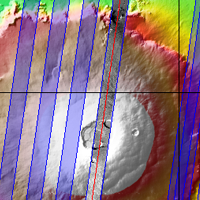
JMARS is a GIS (Geographical Information System) platform containing all of the Mars orbital data NASA has ever collected. This program is the backbone of the Mars Student Imaging Project and offers students and teachers the ability to ask relatively simple questions or extremely complex ones.
JMARS video tutorials msip-resources/jmars-videos.
To launch JMARS for MSIP on your desktop computer click here.
To launch JMARS Mobile for your tablet devices click here.
 Ask Dr. C is a computerized scientist designed to answer questions about Mars. Feel free to ask him any questions about the Red Planet. Dr. C does have some limitations on responses, and he may not have the answer your looking for, but if Dr. C does not have the answer to your question, the answer will soon be added to his memory. Go to to http://mars.jpl.nasa.gov/drc to interact with Dr. C. and ask him your questions about Mars!
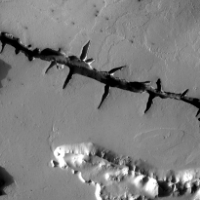
Mars By Topic is a resource that details important information for educators. This resource will be handy for educators as they work through some of the Mars Education student projects and classroom lessons. As student project teams dive into Mars research they will find this resource to be very useful for accessing some quick examples of THEMIS data. Learn about Mars by topic from this great webpage at http://themis.asu.edu/topic.
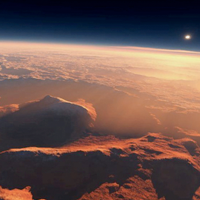
The Red Planet Report is an online-featured news resource chronicling new information and updates on the THEMIS camera and the new findings of the Mars mission. Robert Burnham a journalist and writer for the ASU Mars Space Flight Facility authors’ the Red Planet Report. The Red Planet Report scans the published scientific literature on Mars and gives you short summaries of the most interesting results, written so you can understand what they mean. If you’re interested in Mars research, but don’t have the time to plow through journals and papers to find new results, The Red Planet report does that for you. Follow the link to see what’s new on Mars. http://redplanet.asu.edu

Mars-ePedia is a new online resource created to allow readers to learn more about the geology and landforms of Mars in simple and understandable language. Start exploring the Red Planet!
 The MSIP Team Results page is a repository for all the MSIP student teams' final reports. Student teams complete scientific reports as the final culmination of their research projects.
Go to MSIP Team Results to check them out.